

Advances in artificial intelligence, machine learning, and digital modeling are rapidly changing how we think about identity and technology. One concept that has moved from science fiction into serious discussion is the digital clone—a virtual replica of a person that can mimic their appearance, voice, personality, and even decision-making patterns. While today’s technologies are still developing, future digital clones may become sophisticated enough to interact independently in personal, professional, and commercial settings.
As these systems evolve, lawmakers, ethicists, and technology experts will face a complex question: should digital clones have legal rights, and if so, what should those rights look like? The debate raises important issues concerning identity, ownership, accountability, and human dignity.
What Exactly Is a Digital Clone?
A digital clone is generally understood as an AI-powered representation of a real person, created using data such as voice recordings, videos, written communications, behavioral patterns, and personal preferences. Unlike a simple avatar or chatbot, an advanced digital clone could potentially communicate and make decisions that closely resemble those of its human counterpart. As technology becomes more capable of replicating human behavior, the distinction between a person and their digital representation may blur, creating new legal and ethical challenges.
Ownership and Control of Digital Identity

One of the first legal questions involves ownership. If a digital clone is created using an individual’s data, who owns the resulting digital entity? The original person may argue that the clone is an extension of their identity and should remain under their control. Technology companies, on the other hand, may claim rights based on the software and infrastructure used to create the clone. Establishing clear legal frameworks for ownership will be essential to prevent disputes and protect individuals from unauthorized use of their digital likeness.
Privacy Concerns in a World of Digital Replicas
Digital clones would likely require access to large amounts of personal information to function effectively. This raises significant privacy concerns. A clone capable of imitating a person’s behavior may possess sensitive details about relationships, finances, health, and personal beliefs. Questions will arise regarding how this information is stored, who can access it, and what happens if the clone is compromised or misused. Existing privacy laws may need substantial updates to address the unique challenges presented by highly realistic digital replicas.
Accountability for Actions and Decisions
Another major debate centers on responsibility. If a digital clone makes a harmful statement, agrees to it, or causes financial damage, who should be held accountable? Current legal systems generally assign responsibility to human beings or organizations. However, highly autonomous digital clones could complicate this framework. Policymakers may need to determine whether liability lies with the individual being replicated, the developers who created the system, or the organizations that operate it. Defining accountability will be crucial as digital clones become more capable of acting independently.
Could Digital Clones Ever Have Legal Rights?

The most controversial question is whether digital clones should possess rights of their own. Some scholars argue that if future AI systems demonstrate advanced reasoning, self-awareness, or autonomous decision-making, society may need to consider granting them certain legal protections. Others maintain that rights should remain exclusive to biological humans and that digital clones, regardless of sophistication, should be treated solely as tools or property. While the idea may seem distant today, similar debates have already emerged regarding advanced artificial intelligence and machine autonomy.
The Impact on Inheritance and Legacy
Digital clones may also transform how people think about legacy and inheritance. Future generations could interact with digital representations of deceased relatives, business leaders, artists, or public figures. This raises legal questions about who controls a clone after the original person dies and whether the clone can continue generating income or participating in business activities. Estate planning laws may eventually need to address digital identities alongside physical and financial assets.
Preparing for Future Regulation
Governments around the world are already exploring ways to regulate artificial intelligence, but digital clones present a particularly complex challenge. Effective regulations will need to balance innovation with personal rights, privacy protections, and public safety. International cooperation may also become necessary, as digital clones could operate across national borders. Developing legal standards before the technology becomes widespread could help prevent confusion and reduce the risk of misuse.
The legal rights of digital clones are among the most fascinating and challenging debates of the emerging AI era. As technology advances, society will need to address difficult questions about identity, ownership, privacy, accountability, and potential legal protections for highly advanced digital entities. While definitive answers remain years away, the discussion is becoming increasingly relevant as artificial intelligence continues to reshape the boundaries between human beings and their digital counterparts. The decisions made in the coming decades may fundamentally influence how future generations define personhood in a digital world.
…












 The first and most crucial step after any accident is to seek immediate medical attention, even if you believe your injuries are minor. Not only is this vital for your health and well-being, but medical documentation is also critical evidence in any legal claim. Ensure all injuries are thoroughly documented, and follow your doctor’s treatment plan to avoid any disputes about the extent of your injuries later on.
 Be aware of the statute of limitations for filing a personal injury







 The first step in incorporating your business is to register the company name with the state. This can be done through the Secretary of State’s office or a similar agency in your state. Once you’ve registered the name, you’ll need to choose a business structure. The most common forms are sole proprietorships, partnerships, limited liability companies (LLCs), and corporations. If you’re not sure which system is right for your business, you should speak with an attorney or accountant.
 The fourth step is to obtain business insurance. This will protect your business in case of any accidents or lawsuits. There are many different types of business insurance, so be sure to speak with an insurance agent to determine which type is right for your business. If someone you know who has a business recommends a particular type of insurance, that’s a good place to start. This can save you some time and research. This way, you can also ensure that you get the best business coverage.
 Achievement of the goal. Delay the consideration of another case or defend against a possible claim; create a prejudicial fact – to establish circumstances that will not require proof in a new process. Lawsuits are used to report to the tax office – to confirm losses. Evidence cannot be obtained out of court, and the purpose of the process is to obtain it through a court request. So, in one case, through such inquiries, we received information about the vehicles of the debtor, and when it came to enforcement proceedings, we did not waste time searching for property. Lawsuits are started for “black” or “white” PR. This is only part of the goals that are pursued by filing an application to the court.
 Terms of consideration of the case. For an objective picture, it is worth considering: (a) the time to

 For you to be the best, you will need to specialize in this area. This is informed by the fact that, there are may entertainment lawyers out there practicing in this particular area. The formative years of you leaving law school will be spent gaining and developing the required experience, so that you have the ability and expertise to meet the demands of representing an entertainer, who may require you to represent him/ her in some instances.

 a bone fracture or anything that requires the victim to get admitted to a hospital


 You will realize that some of the issues that arise in the construction site are not very serious. Moreover, most construction issues can be amicably resolved by expert determination. In this case, you might consider addressing these issues outside the chambers. As such, a good barrister should be in a position of advising you before making your decision. Ideally, if the case can be addressed outside court, he/she should be in a position of linking you to specialists that offer alternative forms of disputes.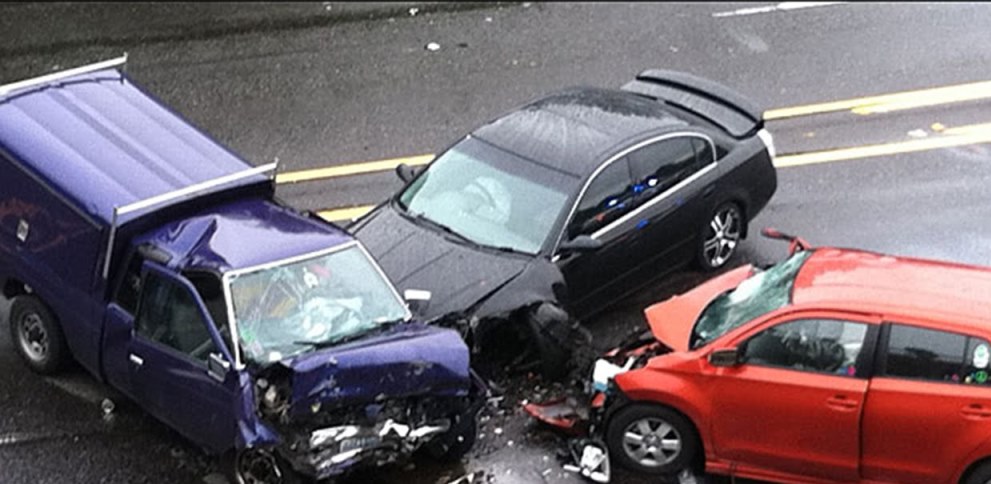
 Definitely. Your well-being always remains your top priority. In some cases, it’s quite obvious that you need medical treatment. If you were suffering from serious injuries that arose from a serious accident, you need to go for a checkup at the hospital. However, if your injuries do not fall under the category severe, yet your body feels sore, what next?

 If the lawyer is not aware of the different aspects of your case, then he cannot perform its job efficiently. But bankruptcy attorneys Lawrenceville, GA are completely specialized and experienced. As such, they can understand your needs easily. Expert lawyers always try to win the case with adequate justification about the court and he takes the step against another party. The bankruptcy lawyers are pertinent for giving you right suggestions about these concerns. They are professional so you can rely on their advice easily.



 Distribution
 These include;